
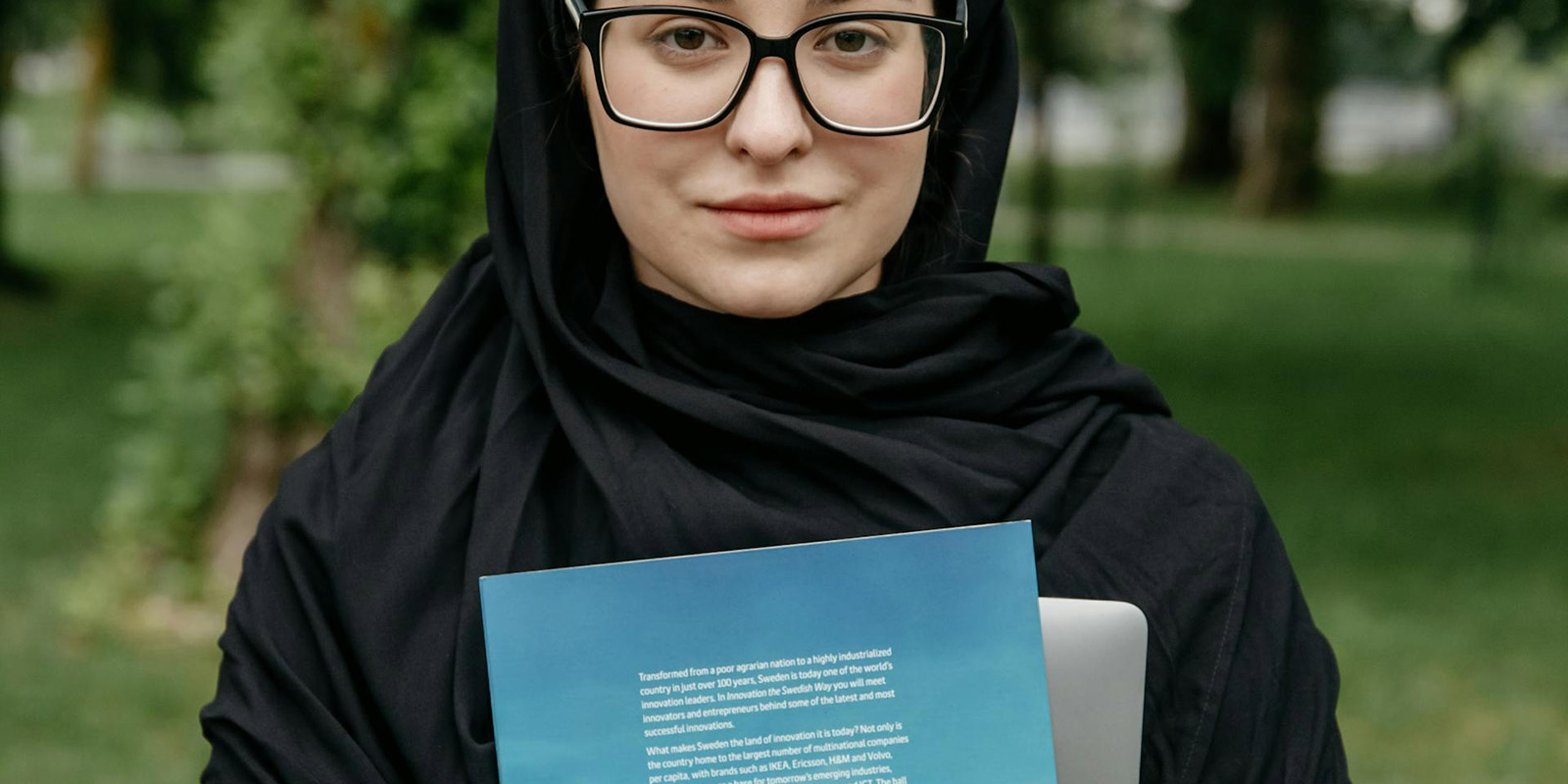
Today, many Muslims are asking how to balance Islamic studies with school or work, especially in a fast-paced and demanding environment.
Balancing academic responsibilities or professional duties with sacred knowledge can feel overwhelming without a structured and practical approach to learning.
However, with the growth of part-time Islamic courses and tools that support flexible Islamic learning, gaining knowledge is now easier than ever.
For students, professionals, and especially women, there are now multiple ways to pursue online Islamic education while working or studying full-time.
This guide provides valuable strategies, resources, and examples to help you balance both worlds and succeed in your spiritual and personal goals.
The Modern Muslim Challenge: Work, School, and Deen
In today’s world, Muslims are juggling career growth, academic achievements, and social obligations while trying to stay committed to their faith.
It’s common to feel spiritually disconnected due to tight schedules, deadlines, and environments that don’t support consistent religious development.
The desire to learn Qur’an, Hadith, Fiqh, or enroll in a weekend Alimah program often remains unfulfilled due to lack of time or flexibility.
But remember, Islam encourages lifelong learning and spiritual development, even in the busiest phases of life or moments of personal struggle.
By integrating part-time Islamic courses into your routine, you can grow spiritually without compromising your education or professional journey.
Start with Intention and Realistic Expectations
Before enrolling in any program, it’s important to reflect on your intentions and be honest about your schedule, energy levels, and daily routines.
Setting the right intention (niyyah) not only earns you reward but also keeps you motivated throughout the ups and downs of your journey.
Choose one or two subjects that suit your current level, rather than overcommitting and risking burnout from trying to do too much.
With consistency, even small amounts of learning can bring long-term transformation and spiritual growth in your daily life and mindset.
Flexible Islamic learning allows you to build knowledge gradually, with a structure that fits into your personal and academic lifestyle effectively.
Embrace the Benefits of Part-Time Islamic Courses
One of the best solutions for busy Muslims is to enroll in part-time Islamic courses that are designed for those with demanding schedules.
These courses usually offer live weekend sessions, recorded classes, and self-paced learning modules that you can complete at your own pace.
They focus on practical content such as Quran recitation, Hadith explanation, Fiqh rulings, and Seerah, suitable for all age groups and backgrounds.
You also benefit from guided learning paths and support from qualified instructors, ensuring that your time is spent wisely and effectively.
Part-time programs give you the freedom to engage with sacred knowledge meaningfully, without feeling overwhelmed by full-time academic pressure.
How to Balance Islamic Studies with School or Work: Time Management Tips
If you’re wondering how to balance Islamic studies with school or work, one key is mastering your time with clear weekly scheduling tools.
Use planners or apps to block dedicated learning hours—ideally early mornings, lunch breaks, or weekend slots for attending classes or reviewing lessons.
Set small, achievable goals like reading one Tafsir page a day or watching one recorded lecture each night before bed for gradual progress.
Avoid multitasking during classes or study time so that you give your full attention and retain more from each session you complete.
With intention, structure, and consistency, balancing school or work with online Islamic education while working becomes manageable and fulfilling.
Choose Flexible Islamic Learning Programs That Fit Your Lifestyle
One of the major advantages of modern Islamic education is that you can now access flexible Islamic learning tailored to your unique daily needs.
Look for institutions that offer recorded lectures, downloadable notes, open-book assessments, and ongoing mentorship from supportive instructors.
Such platforms are ideal for students who study at universities, employees with shift work, or mothers balancing household duties and spiritual growth.
They also help women who are seeking inclusive and accessible learning spaces, such as in an all-female weekend Alimah program environment.
Programs that adapt to your routine keep learning enjoyable and allow you to focus on what matters most—your connection with Allah and His Deen.
Weekend Alimah Program: A Structured Path for Dedicated Sisters
For many sisters, the weekend Alimah program is the perfect way to pursue advanced knowledge without interfering with weekday responsibilities.
Classes are typically held on Saturdays and Sundays, making it ideal for students, professionals, or homemakers with limited weekday availability.
These programs offer in-depth Islamic studies covering Arabic grammar, Tafsir, Hadith sciences, Aqeedah, and Fiqh relevant to women’s daily life.
They also provide a supportive sisterhood, access to female scholars, and a platform to ask personal, faith-based questions in a safe space.
Over time, women gain both personal clarity and the ability to contribute positively to their families, communities, and the broader Muslim Ummah.
How Online Islamic Education While Working Empowers You
Many professionals are enrolling in online Islamic education while working, proving that faith and career development can go hand in hand successfully.
With the flexibility of online classes, you can attend live sessions during off-hours or watch recordings whenever your schedule allows.
You learn at your own pace, maintain access to course materials, and stay in touch with instructors through online discussion boards or chats.
Whether you’re a doctor, teacher, engineer, or entrepreneur, Islamic education adds meaning to your work and helps you live with integrity and purpose.
The spiritual benefits of knowledge bring peace, balance, and clarity to decision-making both at home and in your professional environment.
Make Islamic Studies a Family and Community Effort
Balancing Islamic studies with life becomes easier when it’s encouraged and supported by your family, friends, and learning peers in your circle.
Let your family know your study schedule and explain the value of seeking sacred knowledge for yourself and your household.
If possible, create shared learning sessions with your children or spouse, and join online study circles or weekend discussion groups together.
Having accountability partners or study buddies increases motivation, keeps you on track, and adds joy to your educational experience.
Even if you study alone, being part of an online community with shared goals makes you feel supported and spiritually uplifted throughout your journey.
Avoid Burnout with a Balanced Spiritual Routine
One challenge many students face is spiritual or mental burnout from juggling too many responsibilities without a balanced approach to worship and rest.
That’s why it’s crucial to incorporate breaks, prayer, and reflection into your study routine for a spiritually sustainable learning experience.
Make time for Du’a, Dhikr, and physical self-care like walking or light exercise, which refresh the body and mind between study sessions.
It’s also important to pause and reflect on what you’ve learned—apply small lessons to your life and make them part of your daily routine.
Flexible Islamic learning allows you to study in a way that enhances your well-being, not depletes your energy or peace of mind.
Find Your Long-Term Motivation in Sacred Knowledge
In moments of fatigue or self-doubt, remind yourself of why you started and what rewards Allah has promised to seekers of knowledge.
The Prophet ﷺ said: “Whoever takes a path in search of knowledge, Allah will make easy for him the path to Paradise.”
This journey isn’t just about information—it’s about transformation. Every class you attend, every verse you study brings you closer to Allah.
By learning His words and the teachings of the Prophet ﷺ, you grow into a better person, leader, parent, or worker with purpose and clarity.
Staying motivated is easier when you reconnect with your spiritual goals and remember the eternal value of every hour spent in learning.
Conclusion: You Can Balance Deen and Dunya
To sum up, learning how to balance Islamic studies with school or work is possible with the right mindset, tools, and support system in place.
Through part-time Islamic courses and flexible Islamic learning, students and professionals can gain knowledge without disrupting their worldly commitments.
Whether you enroll in a weekend Alimah program or engage in online Islamic education while working, the door to sacred knowledge is open.
By making small, consistent efforts with sincerity and structure, you can thrive in both your worldly goals and your journey toward Allah. Now is the best time to begin. Choose the path of knowledge and experience its transformative power in your life, family, and community.